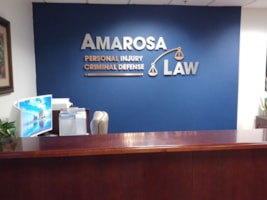
Indoor signs
Sacramento (J Street)
Sacramento (J Street)
10/2/2025

Signage does more than guide and inform. It shapes customer experiences and reflects your brand’s professionalism. Whether you're managing a retail storefront, corporate office or healthcare facility, every sign in your space plays a role in communication, safety, and accessibility.
Unfortunately, signage is often a “set it and forget it” element in many businesses. But over time, exposure to weather, physical damage, outdated content, or regulatory changes can make your signage ineffective or even hazardous. That’s why routine signage inspections are a must for every organization.
An effective signage inspection ensures that your signs remain clear, compliant, and consistent with your branding. It helps you catch small issues before they turn into costly replacements or regulatory violations. And most importantly, it reinforces your commitment to safety and accessibility for every visitor.
Inspecting your signage isn’t just about aesthetics; it’s about function and compliance. Your inspection should cover the physical condition of the sign, electrical systems, content accuracy and legal standards.
Start by walking through and around your facility and examining each sign as if you were a first-time visitor. Consider visibility from different angles, lighting at different times of day and legibility from both near and far distances.
Outdoor signs need extra attention. Harsh sunlight, rain, wind and seasonal weather fluctuations can deteriorate materials faster than you might expect. Look for signs of cracking, fading, rust, or water intrusion.
For interior signs, especially those related to safety or accessibility, focus on clarity and placement. Is the message still legible? Are tactile signs or Braille signs in good condition? Is the sign placed at the correct height and location as per ADA guidelines?
One of the most critical components of signage inspection is ensuring your signage meets local, state, and federal regulations. ADA (Americans with Disabilities Act) compliance is non-negotiable for facilities open to the public. This includes specifications around mounting height, font size, color contrast, tactile lettering, and Braille.
Beyond ADA, many municipalities enforce strict rules about signage size, lighting, zoning, and even the amount of time a sign can remain illuminated. Some signs require periodic re-permitting or inspections, especially if they’re electrical or structural in nature.
Staying compliant isn’t just about avoiding fines. it’s about creating a welcoming and accessible space for all users. Regular inspections ensure you're not unintentionally excluding customers or violating standards that can lead to legal issues.
While a formal checklist is helpful, it's more important to understand the key areas to evaluate. Here's what you should be reviewing during a full signage inspection:
Inspect the mounting hardware and frame. Is the sign secure? Are there signs of corrosion, bending or instability?
Test illumination during different times of day. If your sign is lit, ensure bulbs are working and brightness is consistent. For digital displays, check for dead pixels or lag.
Look for peeling vinyl, fading colors or weather damage. UV rays, pollution and moisture can all degrade materials over time.
Stand back and evaluate the sign from different distances and angles. Is the message clear? Has vegetation or construction blocked the view?
Make sure information like business hours, directional arrows, or contact info is still current. Outdated signs can mislead customers and damage trust.
Confirm that all required signs, such as exit signs, restroom signage, and accessibility markers, follow ADA and local guidelines in terms of size, placement and features.
There's no one-size-fits-all rule for how frequently you should inspect your signage, but a proactive schedule can make all the difference.
Critical safety and ADA signage should be reviewed at least once per quarter or more frequently in high-traffic environments like hospitals or airports. Outdoor signs, especially those exposed to severe weather, should be checked seasonally.
Digital and illuminated signs might require monthly inspections due to the risk of electrical or display malfunctions. For brand signage (like logos and promotional signs), twice a year is generally sufficient unless there’s a recent remodel, rebrand or regulation update.
Keeping digital records of inspections can streamline your process. Note the inspection date, condition ratings, any repairs performed, and who conducted the inspection. This documentation can help with warranty claims, insurance records, or future upgrades.
While many basic inspections can be done internally, working with a professional signage provider like Signs Now ensures nothing gets overlooked. We offer expert evaluations, maintenance services, and guidance on regulatory compliance.
Our teams understand the nuances of signage materials, lighting technologies, ADA requirements, and zoning laws ensuring your signs are not only beautiful but built to last and legally sound.
Whether you're managing a single location or a national brand, our experienced professionals help extend the life of your signage and protect your investment.
A signage inspection might feel like a small operational task, but its impact is far-reaching. Clear, compliant and well-maintained signs reduce safety risks, reinforce your brand and create a more professional and accessible experience for everyone who walks through your doors.
Don’t wait for a complaint or citation to realize your signs need attention. Start integrating signage inspections into your facility maintenance routine today and keep your space sharp, safe and customer-ready.
If you're unsure where to begin, Signs Now is here to help with templates, services and hands-on support for every part of your signage journey.