
Indoor signs

Signs Now
2/24/2026
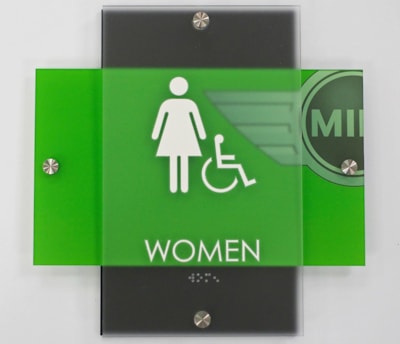
Accessibility is more than a legal requirement. It is a commitment to creating an inclusive environment for all visitors. For small business owners, franchise managers, facility directors, and event planners, understanding ADA signage requirements is essential. From ADA wayfinding signs to ADA braille signage requirements, compliance ensures safety, usability, and a positive customer experience.
This guide explains five practical tips to help you meet ADA standards for signage and avoid common pitfalls.
The Americans with Disabilities Act (ADA) was enacted to ensure equal access for individuals with disabilities. Signage plays a critical role in this effort by providing clear, readable, and tactile information for navigation and safety. Non-compliance can result in:
Legal penalties: Fines starting at $75,000 for the first violation.
Customer dissatisfaction: Poor accessibility can damage your reputation.
Operational risks: Inadequate signage can lead to confusion and safety hazards.
ADA compliance is not just about avoiding fines. It is about creating a welcoming environment for all customers and employees.
The ADA sets specific standards for signage in public spaces. These include:
ADA room signage requirements for permanent spaces such as restrooms, offices, and exits.
ADA braille signage requirements for tactile readability.
ADA signage height requirements, which specify mounting between 48 and 60 inches from the floor.
ADA directional signage and ADA exit signage for navigation and emergency safety.
Signs must also meet requirements for character size, font style, and contrast. For example:
Characters should be in a sans-serif font.
Text should have high contrast against the background.
Non-glare finishes are required for readability.
Failing to comply with these guidelines can lead to costly penalties and accessibility issues.
ADA-compliant signs must be easy to read for everyone, including individuals with visual impairments. Best practices include:
High-contrast colors: Dark text on a light background or vice versa.
Sans-serif fonts: Simple, clean fonts improve legibility.
Non-glare finishes: Essential for ADA interior signage and ADA exterior signage.
Placement is equally important. Signs should be positioned where they are easily seen and read without obstruction. For example:
ADA signage height requirements specify that tactile signs should be mounted between 48 and 60 inches from the floor.
Directional signs should be placed at decision points, such as hallway intersections.
Poor visibility is a common challenge, especially in low-light areas or high-traffic spaces. Regular audits can help identify and correct these issues.
Braille is a critical component of ADA compliance. Every permanent room sign must include Grade 2 Braille and raised characters. Industry standards recommend:
Braille dots should be domed and placed directly below the corresponding text.
Raised letters must be at least 1/32 inch thick.
Characters should use uppercase letters and simple fonts for tactile readability.
These details ensure that individuals with visual impairments can navigate spaces independently and safely. Common mistakes include incorrect Braille placement or using decorative fonts that are difficult to read by touch.
Accessibility begins outside the building. ADA parking signage is essential for designating accessible spaces and meeting local regulations. Requirements include:
The International Symbol of Accessibility.
Minimum size and height specifications.
Weather-resistant materials for durability.
Exterior signs should also include ADA directional signage for pathways and entrances, ensuring visitors can find accessible routes easily. Consider factors such as:
Visibility in different lighting conditions.
Durability against weather and wear.
Placement near accessible entrances and ramps.
Failing to provide compliant exterior signage can create barriers before visitors even enter your building.
ADA compliance is not static. Regulations can vary by state or municipality, and updates may occur over time. Staying informed about ADA signage guidelines and local building codes is crucial.
Regular audits of your signage program help identify gaps and maintain compliance. Consider reviewing:
ADA exit signage for emergency routes.
ADA interior signage for permanent rooms.
ADA exterior signage for parking and building access.
Industry best practice recommends conducting a compliance review annually or whenever renovations occur.
While DIY signs may seem cost-effective, they often fail to meet compliance standards, leading to expensive penalties and rework. Professional signage offers:
Customization: Tailored designs for your brand.
Durability: High-quality materials and finishes.
Peace of Mind: Guaranteed compliance with ADA signage guidelines.
At Signs Now, we make compliance simple and stylish. Whether you need ADA wayfinding signs, ADA room signage, or ADA parking signage, our experts deliver solutions that combine functionality, aesthetics, and legal compliance.
Contact us today to learn how our custom ADA signage can enhance accessibility and elevate your brand.